
Blog
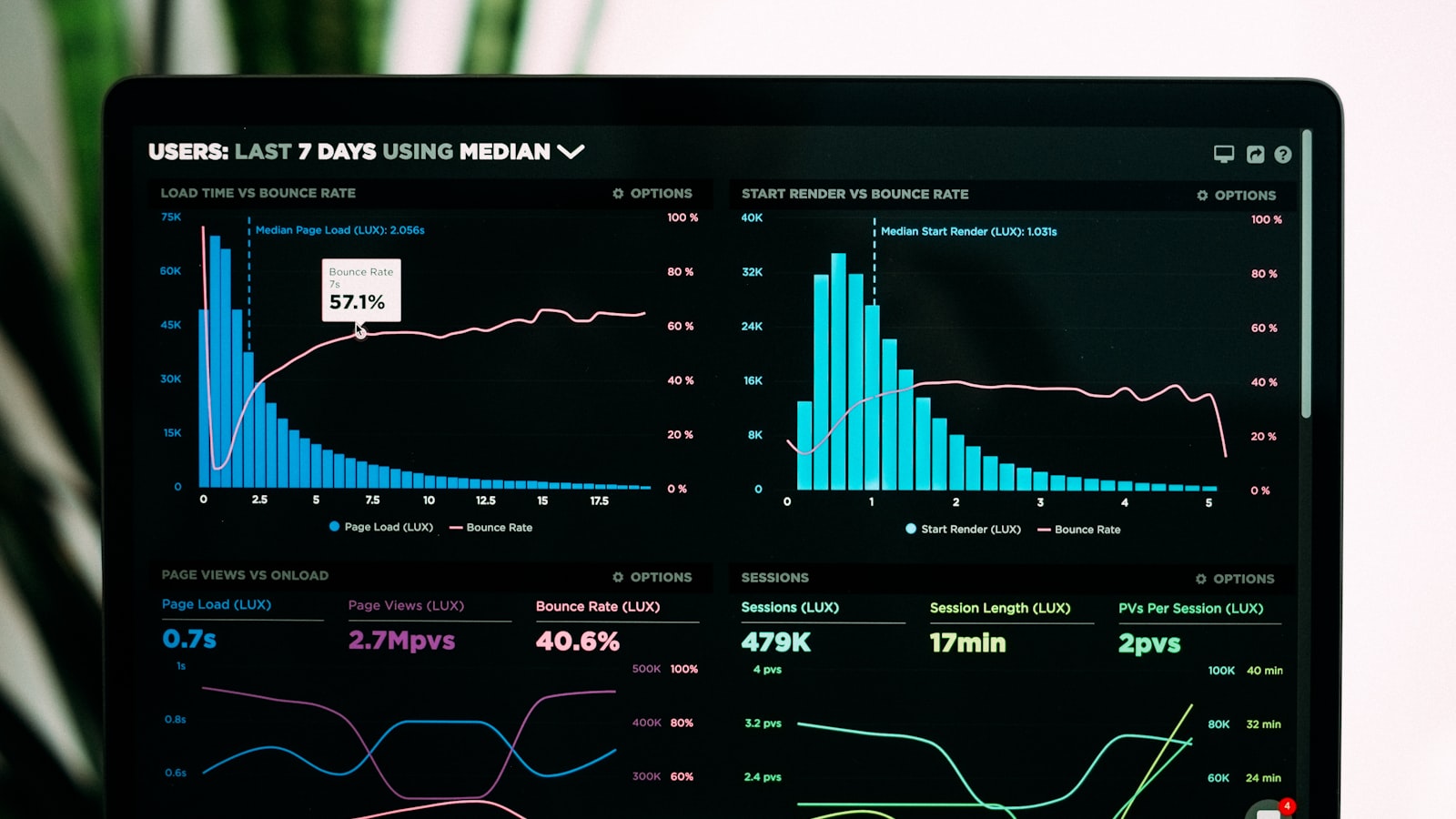
ACOS vs TACOS: Which One Actually Tells You If Your Book Business Is Profitable
ACOS divides ad spend by a retail price you never keep; TACOS by the royalties your ads earned. The difference, a worked example, and why 100% is break-even.
Amazon Best Sellers Rank Explained: What Your BSR Actually Means in Sales
BSR is a position in a race, not a sales counter: hourly, decaying without sales, per format and store. How it works and what each level means in daily sales.
More Articles

Amazon Ads for KDP Beginners: A First Campaign That Won't Burn Your Budget
Your first Amazon ad campaign, step by step: which type first, bids and budgets that can't hurt you, the two-campaign structure, and whether it pays off.
KDP No Sales? A 10-Point Diagnostic That Finds the Actual Problem
Zero sales has two causes: nobody sees the book, or people see it and don't buy. A 10-point checklist tells you which, and the fix, before spending on ads.
KDP Royalty Rates Explained: 35% vs 70%, and What Amazon Actually Pays You
KDP's 70% royalty is not automatic and not always better: how the 35% and 70% ebook tiers work, the delivery fee, and the pricing traps that halve your royalty.

KDP Taxes for Non-US Authors: Withholding, the Tax Interview, and the 30% You Might Be Losing
Amazon withholds 30% of your US royalties if you're not a US person; the tax interview with the right treaty claim can cut it to 0%. How it works, with W-8BEN.
Break-Even ACOS: The One Number That Decides If Your KDP Ads Make Money
Break-even ACOS is the point where an Amazon ad stops costing you money. The formula, worked examples for ebooks and paperbacks, and the list-price mistake.
Stop Burning Money: Finding Wasted Ad Spend in Your Amazon Book Campaigns
Unmanaged Amazon book campaigns waste 30–50% of their budget on clicks that never convert. How to read the search-term report, and rules for negatives.
How Much Do Amazon KDP Ads Cost? Real Budgets for Authors, From $5/Day Up
Amazon ads have no minimum spend: you pay per click, at auction. What book clicks cost, what $5, $10 or $20 a day buys, and how to size it from your royalty.

KDP Ads Not Delivering? Why Your Campaign Gets No Impressions, and the Fix Ladder
An Amazon campaign with zero impressions isn't broken, it's losing auctions. The fix ladder: bid, relevance, targeting width, then the low-search-volume trap.
One Book, Seven Currencies: Tracking KDP Profit Across US, UK, DE, FR, ES, IT & JP
The same book can profit in the US and lose money in Germany once ad VAT, withholding and currency conversion count. Why dashboards can't just be added up.

Is KDP Select Worth It? Kindle Unlimited Exclusivity, Decided With Data
KDP Select trades ebook exclusivity for Kindle Unlimited reads, promo tools and 70% in four more stores. Whether it wins depends on your genre's read-through.
KENP Explained: How Kindle Unlimited Page Reads Become Royalties
Kindle Unlimited pays per normalized page read, at a monthly rate set from a global fund. How KENPC works, what a page is worth per store, and what reads earn.

Your ACOS Is Lying: How Kindle Unlimited (KENP) Hides Your Real Ad Profit
When a Kindle Unlimited reader borrows your book from an ad, Amazon records the spend but no revenue, so ACOS looks awful. TACOS adds the KENP royalties back.
Net Profit Per Book: How to Know Which Titles Actually Make You Money
An account-level ACOS hides the losers your winners subsidise. How to compute net profit per book, the costs authors forget, and what to scale, fix or pause.
Realistic KDP Earnings: What Authors Actually Make (and the Math Behind It)
Five-figure screenshots say nothing about what KDP really pays. The honest math: what one book earns at realistic volumes, and the three levers that matter.
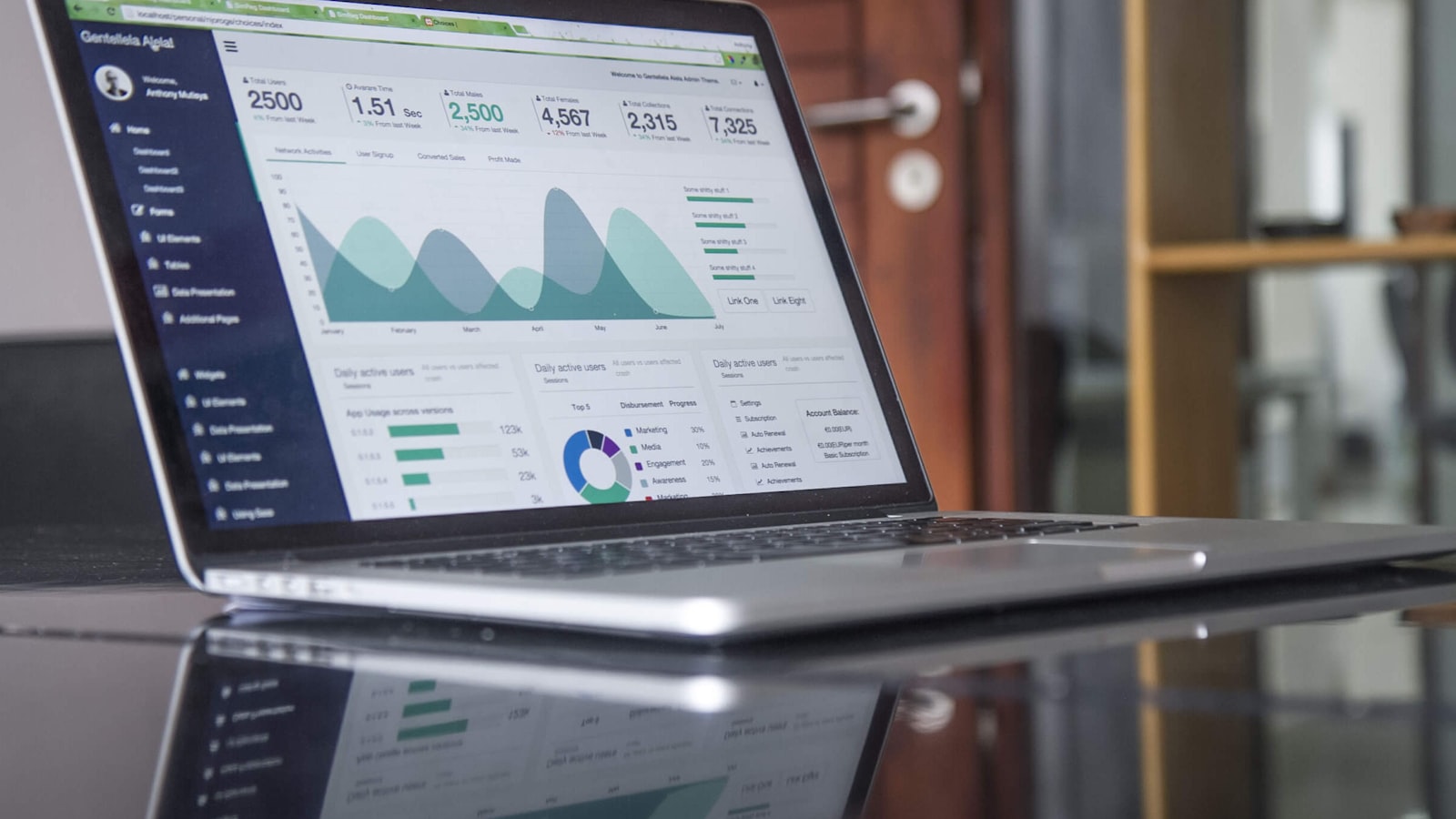
KDP Reports Explained: Dashboard, Royalties Estimator, Orders — and Which Numbers to Trust
The KDP dashboard, Royalties Estimator, Orders and Payments reports differ in speed and in what they measure. What each contains, and which one to trust.
When Does Amazon KDP Pay You? The 60-Day Cycle, Thresholds, and Why a Payment Is 'Missing'
KDP pays royalties about 60 days after the month they were earned, per marketplace and currency, above thresholds. The timeline, and why one seems missing.